
Audiovisual Literacy in Film Archives and Cinemas
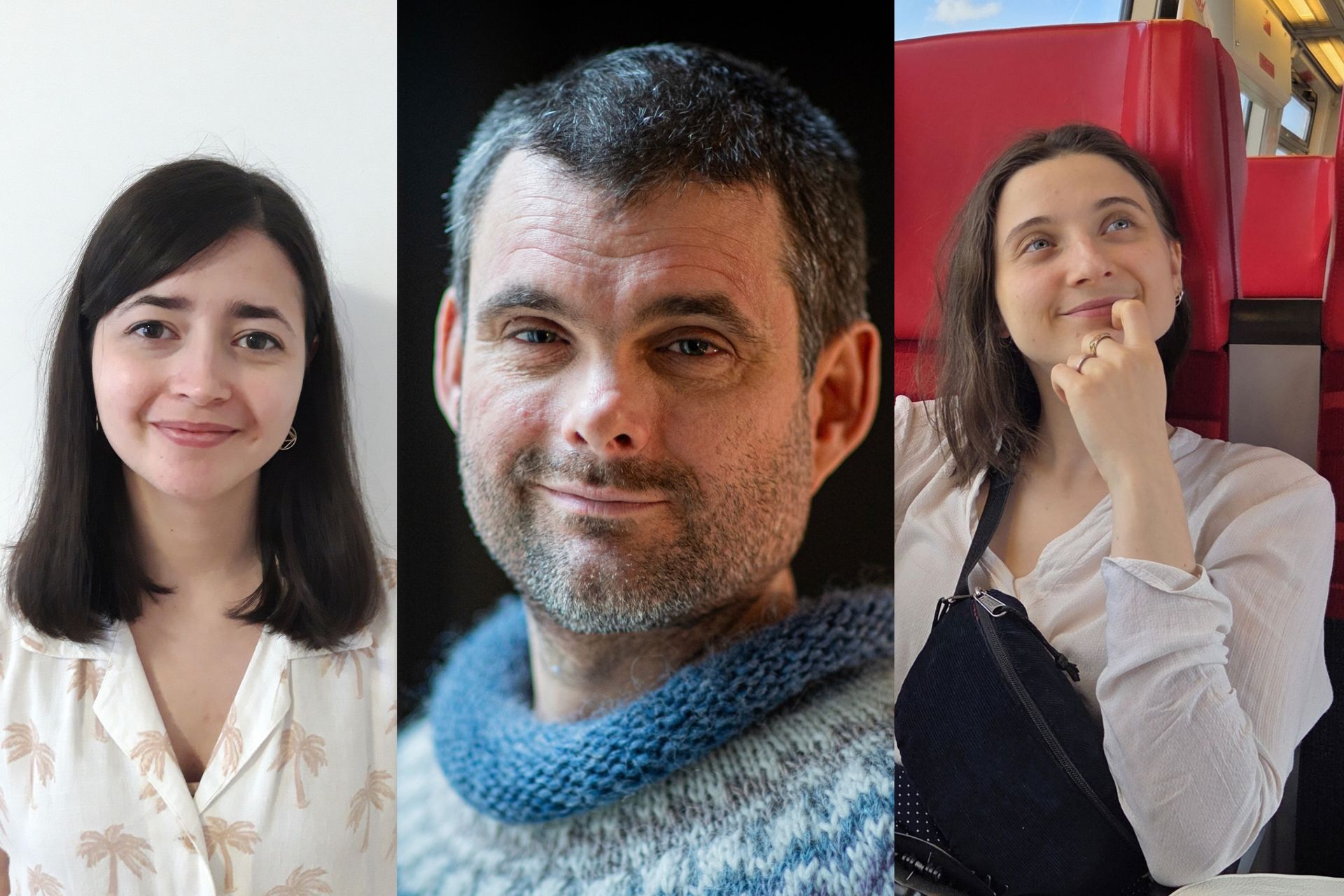
What potential do film archives offer for developing audiovisual and film literacy and for film education? Fruzsina Vajda and Nóra Hurtík from the Film Archive of the Hungarian National Film Institute will explore ways of using archival films when working with children and young audiences, focusing on how film heritage can help develop a relationship with film and a deeper understanding of film language. They will be followed by krutón’s film education specialist Petr Pláteník and Tomáš Lizna, programmer at Kino Boskovice, who will present the Učíme (se) v kině project, developed by krutón in collaboration with selected Czech cinemas. The project brings cinemas together to develop and deliver film education programmes, share experiences, and explore new ways of working with schools and integrating film education more fully into cinema programmes.
Workshop is part of the project Visegrad Audiovisual LAB. The project is co-financed by the governments of the Czech Republic, Hungary, Poland, and Slovakia through Visegrad grants from the International Visegrad Fund. The fund’s mission is to support the principles of sustainable regional cooperation in Central Europe.
Fruzsi Vajda studied film theory in Budapest. Currently works in the Hungarian team at National Film Institute - Film Archive, implementing the Audiovisual Connect Lab project that aims to map out and develop film literacy skills among 15–19 year old students. Previously worked on the FilmED project. She is mainly interested in preserving cinema heritage via teaching with and about films.
Nóra Hurtik graduated in 2026 from the ELTE Master’s program in Film Studies in Budapest. She has been working at the Hungarian National Film Archive since 2022, and since January of this year, she has been part of the Audiovisual Connect LAB project in the education department, which aims to increase the effectiveness of learning and teaching through film by developing new and diverse methodologies, primarily for students aged 15–19. Besides that, she occasionally works as a script supervisor and production assistant on a project basis. She is particularly interested in filmmaking, reflecting on films, interpreting them, and discussing different perspectives.
Petr Pláteník is a methodology specialist at krutón. He studied Czech Language and Civic Education at the Faculty of Education and Czech Studies and Film Studies at the Faculty of Arts of Palacký University Olomouc, where he is currently a PhD candidate at the Department of Theatre and Film Studies. As an editor and co-author, he contributed to the creation of Filmouka, the first Czech textbook on film education. He teaches film and audiovisual education at various levels of education and provides training for teachers.